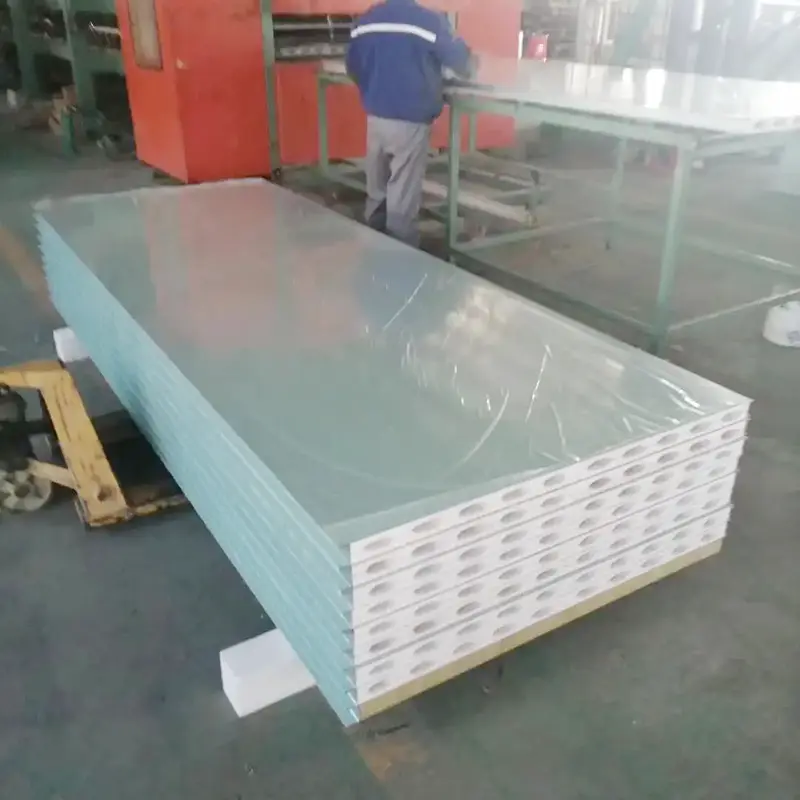
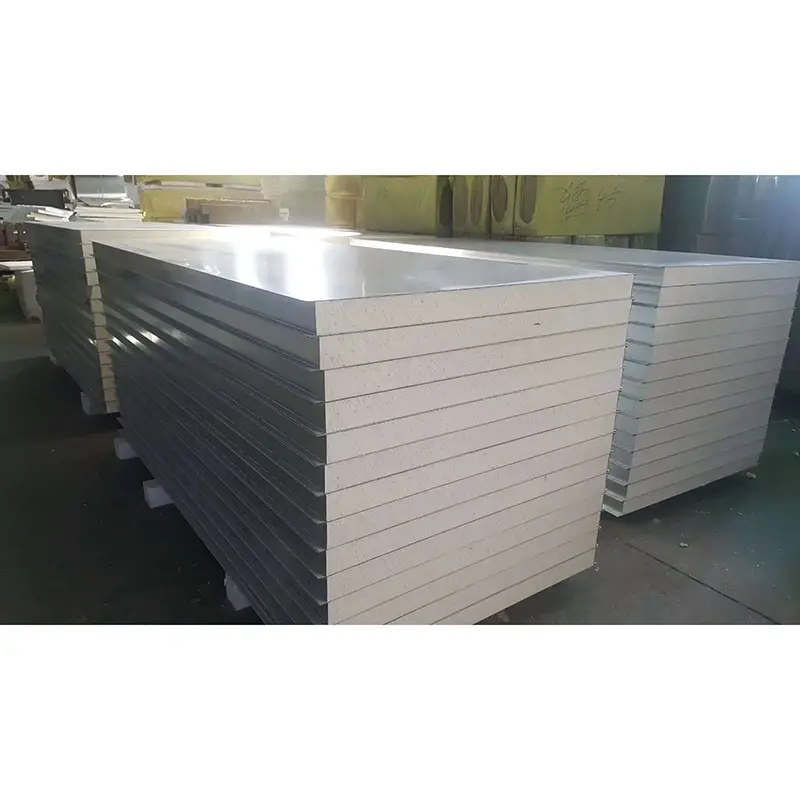
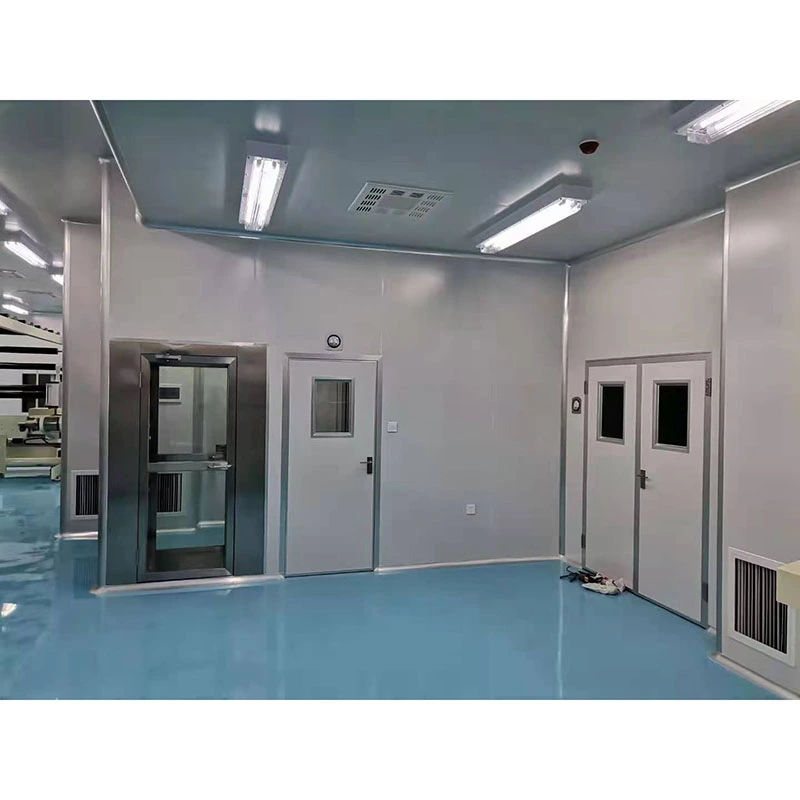
Cleanroom panels, also referred to as purification panels or cleanroom sandwich panels, are composite building boards designed for controlled environments. SENBO Building Materials supplies these panels for pharmaceutical, electronic, food, and medical facilities, focusing on fire safety, surface cleanability, and long-term dimensional stability.
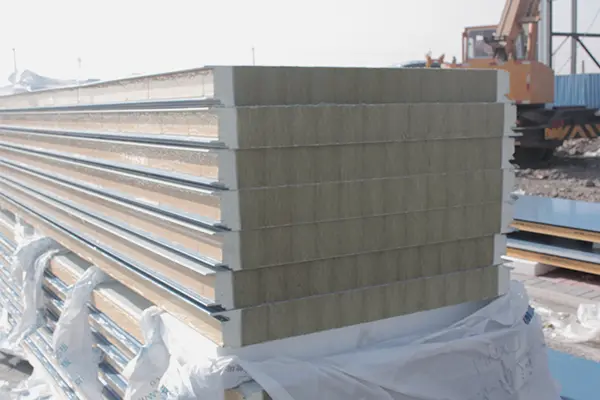
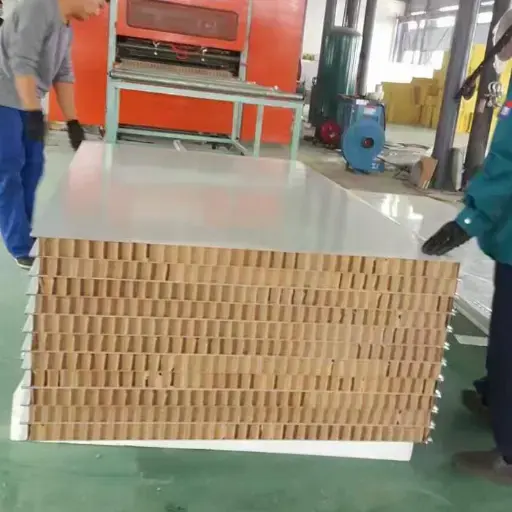
The panel consists of a metal facing on both sides and a functional core. Facing materials include color-coated steel, 304/316 stainless steel, galvanized steel, and aluminum-magnesium-manganese alloy. Core options include rock wool, glass-magnesium, magnesium oxysulfate, silica-rock, polyurethane, aluminum honeycomb, paper honeycomb, and gypsum. Standard panel thicknesses are 50 mm, 75 mm, and 100 mm, with customization up to 200 mm. Facing thickness ranges from 0.3 mm to 1.0 mm.
Core Material Options and Their Characteristics
Different core materials provide different balances of fire rating, moisture resistance, structural strength, and cost. The table below summarizes the main options.
|
Core Material
|
Fire Rating
|
Key Characteristics
|
Typical Applications
|
|
Rock wool
|
Class A non-combustible
|
Fire insulation, sound absorption, moderate cost
|
Industrial plants, electronic workshops, fire-rated partitions
|
|
Glass-magnesium / Magnesium oxysulfate
|
Class A1 non-combustible
|
Moisture resistant, high structural strength, supports suspended equipment
|
Hospital operating rooms, high-humidity food workshops, GMP pharmaceutical areas
|
|
Silica-rock
|
Class B1 flame-retardant
|
Lightweight, economical, low smoke
|
Pharmaceutical GMP rooms, cold storage, packaging workshops
|
|
Polyurethane (PU)
|
Class B1
|
Excellent thermal insulation, low thermal conductivity
|
Food cold storage, temperature-controlled pharmaceutical warehouses
|
|
Aluminum honeycomb
|
Class A
|
High flatness, lightweight, reduced ceiling load
|
High-grade cleanroom ceilings, precision optical assembly rooms
|
Facing Materials and Surface Treatments
The facing material affects cleanability, corrosion resistance, and compatibility with disinfectants. Color-coated steel is available in standard, antibacterial, and antistatic versions. Stainless steel facings resist acids, alkalis, and repeated wiping with disinfectants, making them suitable for operating rooms and GMP areas. Aluminum-magnesium-manganese alloy facings are non-magnetic and lightweight, appropriate for sensitive instrument laboratories.
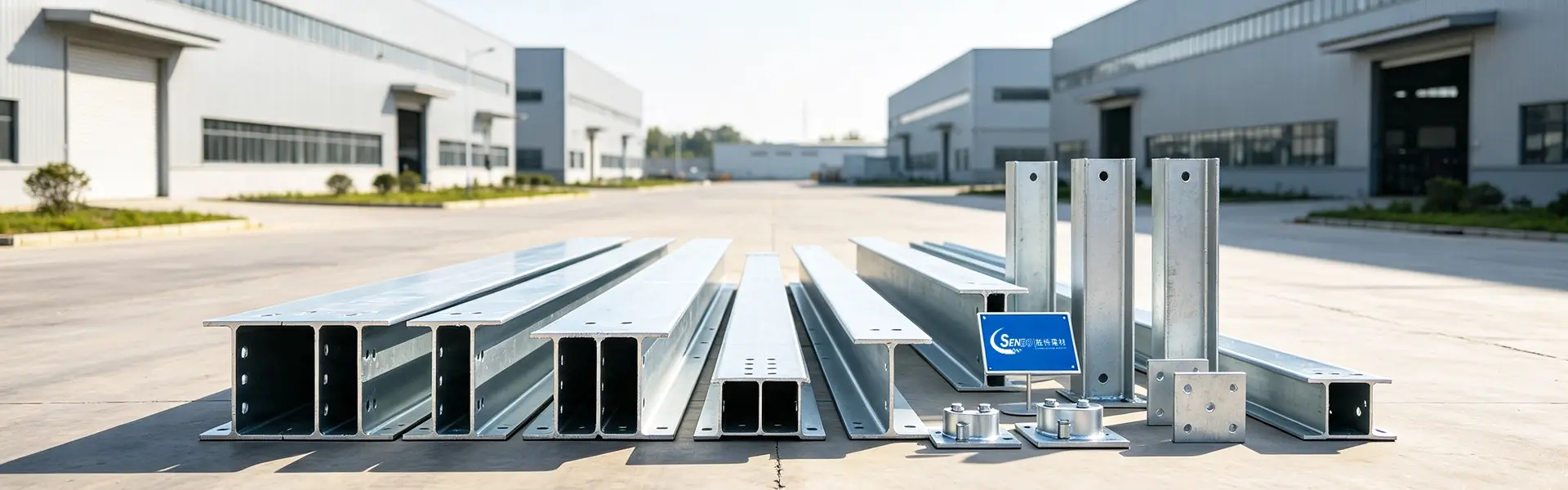
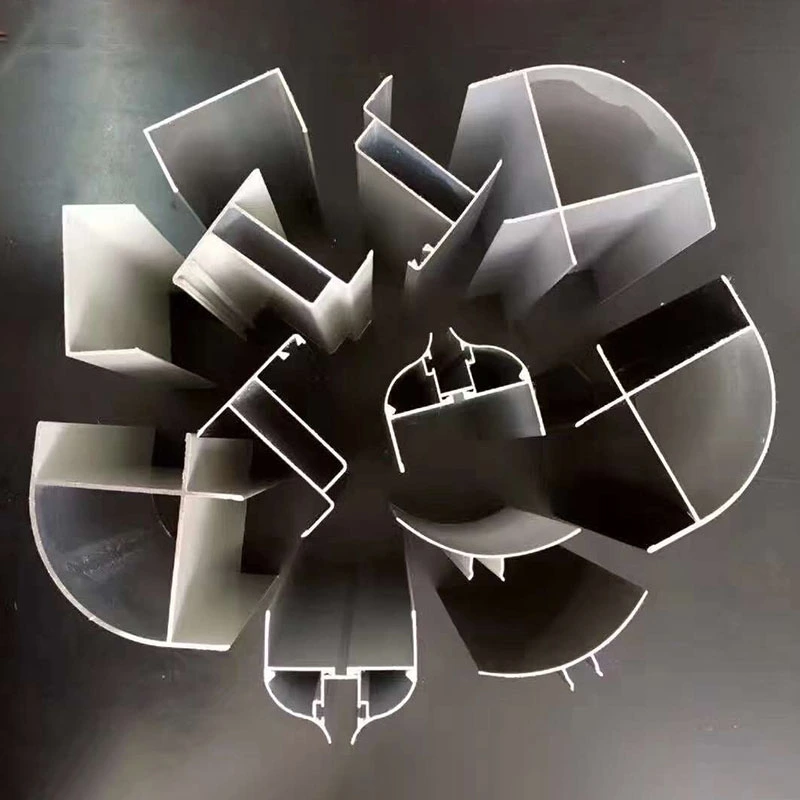
For projects that also require coordinated enclosure components, SENBO supplies accessory systems such as aluminum profiles, corner trims, and door frames designed to match the cleanroom panels.
Fire Performance and Structural Strength
Rock wool and glass-magnesium cores achieve Class A or A1 non-combustible ratings. The panels do not produce toxic smoke under standard fire test conditions. Hand-made panels with built-in galvanized steel perimeter frames offer higher flexural strength and can support suspended equipment. This construction is commonly specified for ceilings and partitions that must carry utility loads.
Moisture Resistance and Thermal Insulation
Glass-magnesium and magnesium oxysulfate cores are dimensionally stable in high-humidity environments and resist mold growth. Polyurethane cores provide the lowest thermal conductivity, approximately 0.024 W/(m·K), which helps maintain stable temperatures in cold storage and temperature-controlled cleanrooms.
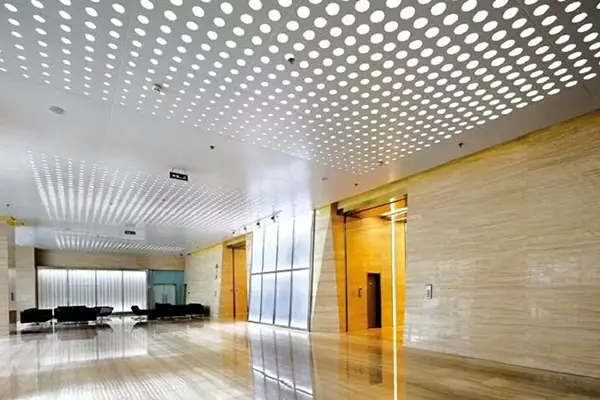
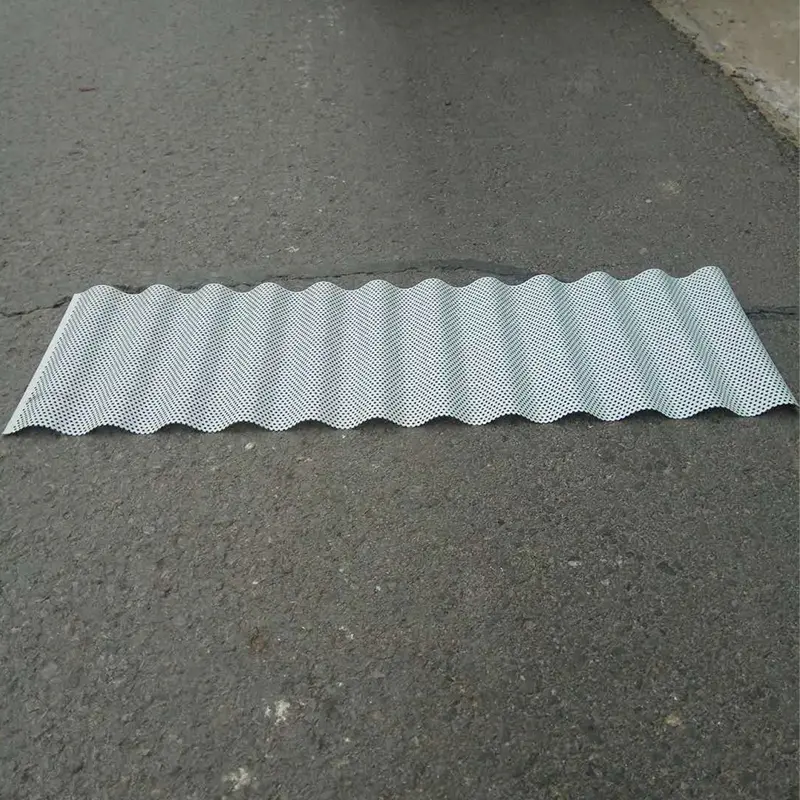
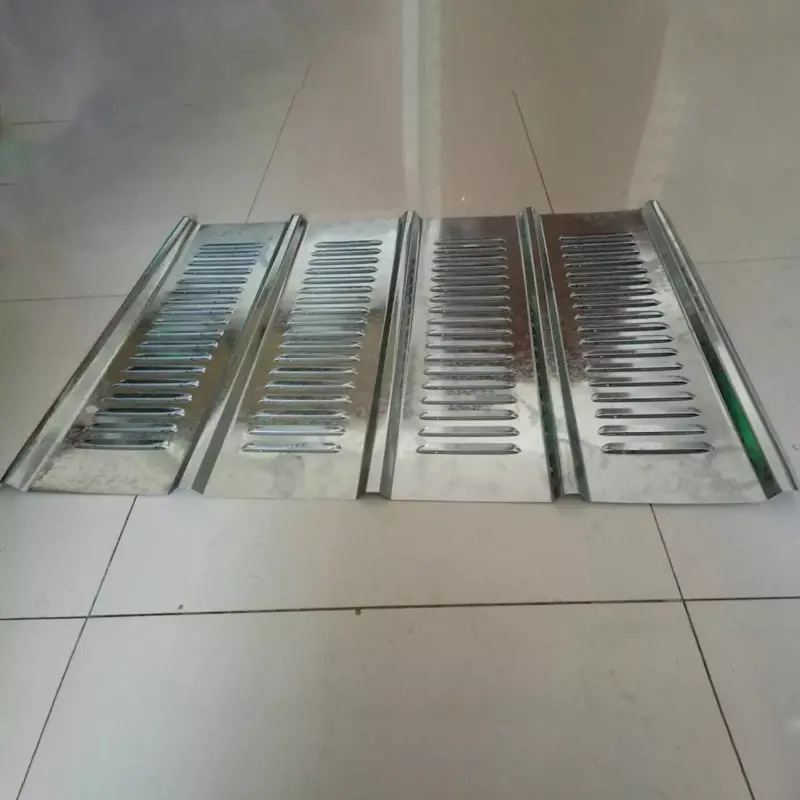
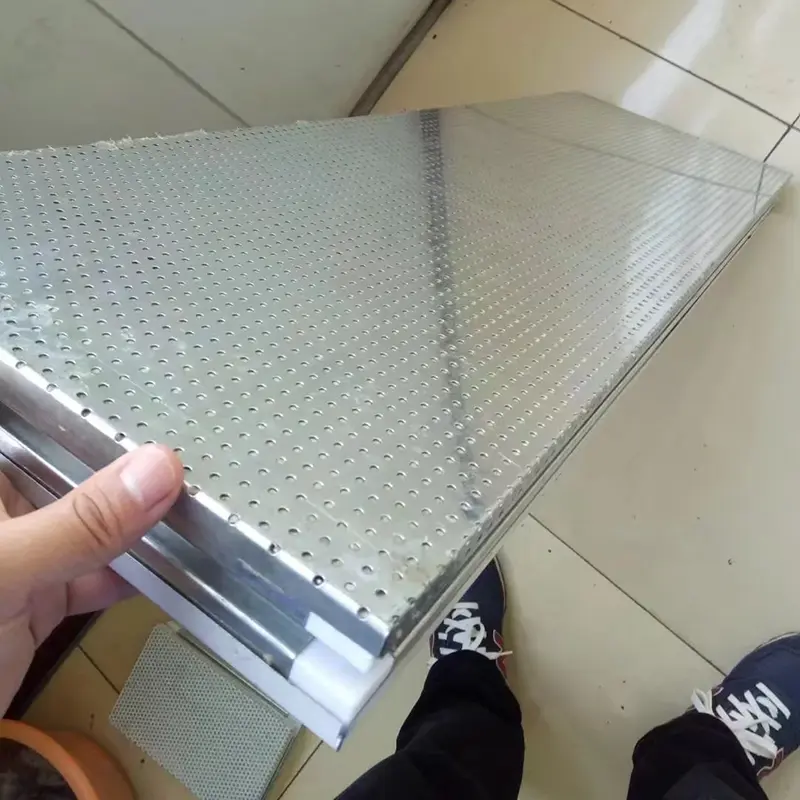
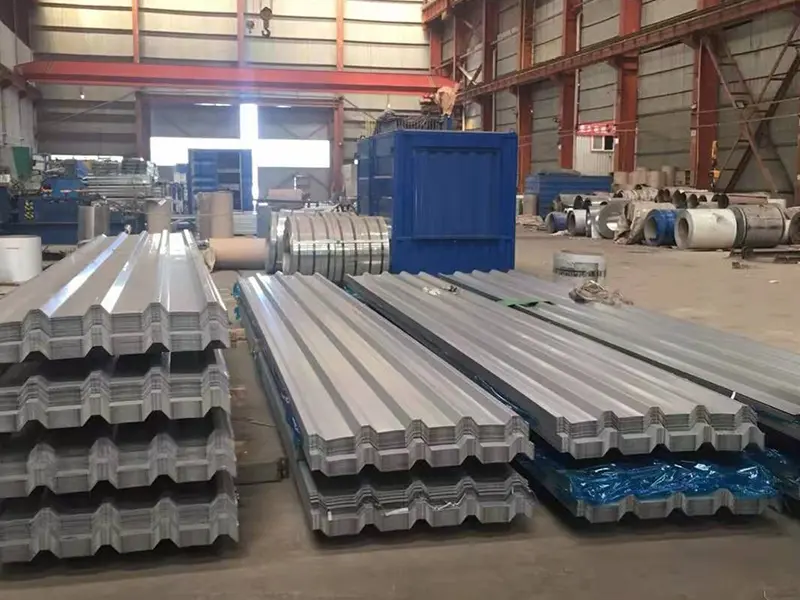
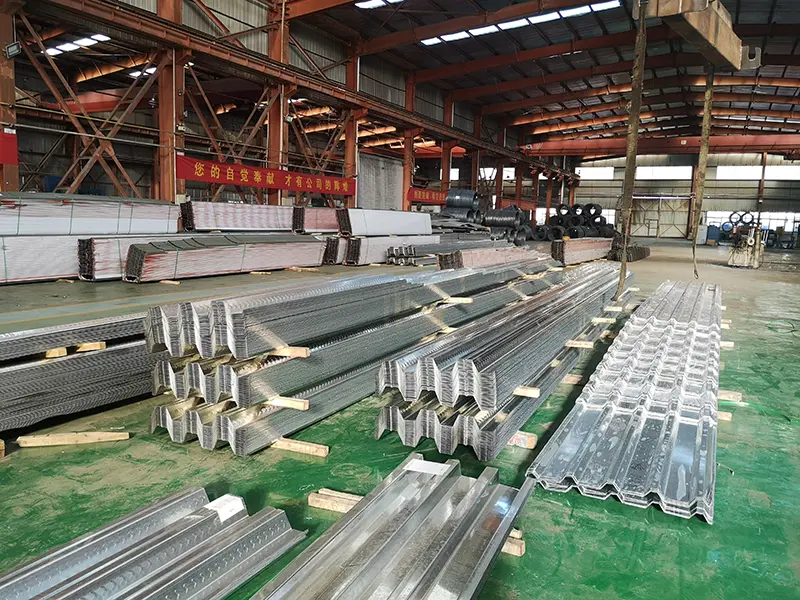
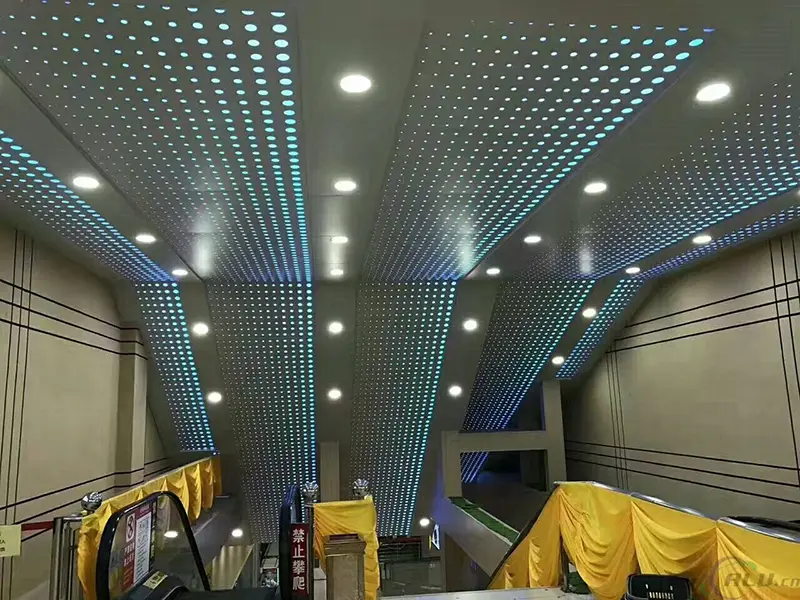
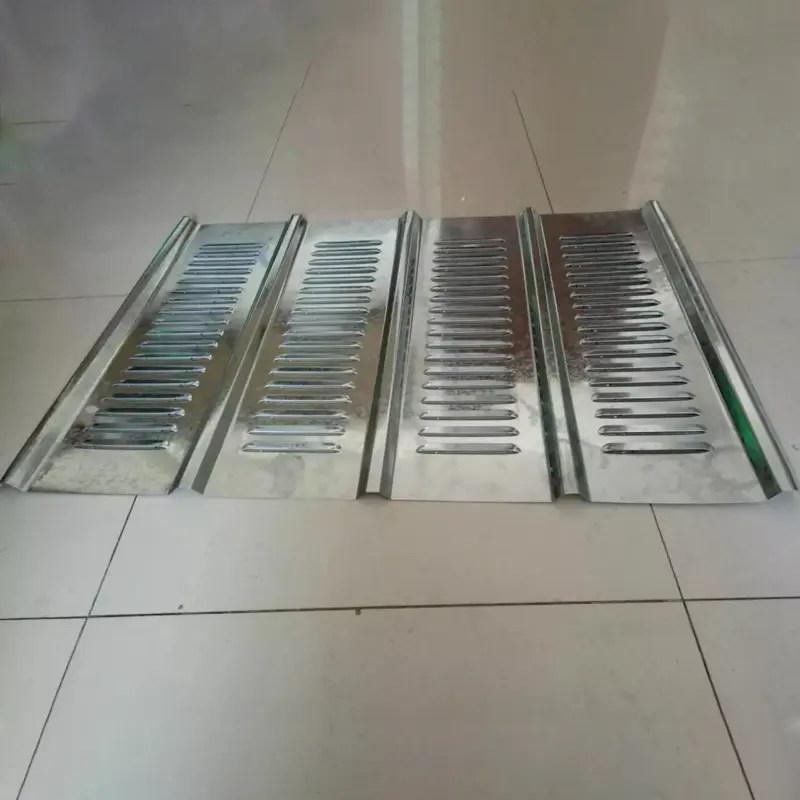
In some building envelope designs, perforated metal panels are used as ceiling or wall finishes in combination with rock wool sandwich panels to achieve both acoustic control and insulation. SENBO can supply both product types for integrated cleanroom projects.
Technical Specifications
The following table lists standard parameters. Custom configurations are available on request.
|
Parameter
|
Range / Options
|
Notes
|
|
Facing Materials
|
Color-coated steel, 304/316 stainless steel, galvanized steel, Al-Mg-Mn alloy
|
Thickness 0.3–1.0 mm
|
|
Core Materials
|
Rock wool, glass-magnesium, magnesium oxysulfate, silica-rock, PU, aluminum honeycomb, paper honeycomb, gypsum
|
Selected by fire, moisture, and load requirements
|
|
Panel Thickness
|
50 / 75 / 100 / 120 / 150 / 200 mm
|
Customizable
|
|
Effective Width
|
950 / 980 / 1150 / 1180 mm
|
Custom sizes available
|
|
Fire Rating
|
Class A, A1, A2, B1 depending on core
|
Test reports available
|
|
Surface Treatments
|
Antibacterial coating, antistatic coating, fluorocarbon coating
|
Applied to facing material
|
|
Standards
|
GB 8624-2012, GB/T 23932-2009
|
Conformity documentation available
|
Selection Guidance by Application
For hospital operating rooms and GMP pharmaceutical areas: Choose stainless steel facings with glass-magnesium or magnesium oxysulfate cores. These provide moisture resistance, cleanability, and high structural strength for equipment support.
For electronic and semiconductor cleanrooms: Antistatic color-coated steel facings help prevent dust attraction and static damage. Aluminum honeycomb cores offer lightweight ceilings with high flatness.
For food processing and central kitchens: Select 304 stainless steel facings and moisture-resistant cores such as glass-magnesium or magnesium oxysulfate. These withstand frequent washing and disinfectant exposure.
For cold storage and temperature-controlled warehouses: Polyurethane cores provide the best thermal insulation. Confirm the fire rating meets local code requirements and consider additional fire protection if needed.
For general industrial plants: Rock wool cores offer a cost-effective balance of fire resistance and thermal insulation. Color-coated steel facings are usually sufficient.
Installation and Quality Control
Panels are factory-prefabricated and assembled on site using tongue-and-groove or H-profile connections. Hand-made panels with steel perimeter frames provide higher load capacity for ceilings and equipment suspension. SENBO performs incoming material inspection, in-process checks, and final dimensional verification on every batch. First article inspection and material certificates are available.
Typical Applications
1. Hospital operating rooms, ICUs, PCR laboratories, and biosafety laboratories.
2. Pharmaceutical GMP workshops, vaccine production lines, and sterile filling rooms.
3. Food processing workshops, dairy facilities, and central kitchens.
4. Electronic chip manufacturing, semiconductor assembly, and lithium battery production cleanrooms.
5. Cold storage, temperature-controlled warehouses, and precision laboratory environments.
Frequently Asked Questions
1. How do I choose between rock wool and magnesium oxide cleanroom panels?
Rock wool panels are Class A non-combustible and offer good sound absorption at a lower cost. Magnesium oxide (glass-magnesium) panels are Class A1, more moisture resistant, and structurally stronger, making them suitable for high-humidity areas and ceilings that must support equipment.
2. Can the panels be customized to non-standard sizes?
Yes. Panel thickness can be customized from 50 mm to 200 mm, facing thickness from 0.3 mm to 1.0 mm, and effective width can be adjusted. Custom lengths and connection details are also available based on project drawings.
3. What surface treatment is recommended for frequent disinfection?
Stainless steel facings or color-coated steel with antibacterial or fluorocarbon coatings are suitable for frequent cleaning with alcohol or chlorine-based disinfectants. Confirm the specific disinfectant compatibility with our technical team.
4. Are cleanroom panels suitable for suspended ceilings?
Yes. Hand-made panels with galvanized steel perimeter frames are specifically designed for ceiling applications where equipment may be suspended. Aluminum honeycomb cores are also used for lightweight ceiling systems. The maximum recommended ceiling panel length is usually 3000 mm to control deflection.
5. What documentation is provided with the panels?
We supply test reports for fire performance, thermal conductivity, and relevant mechanical properties. Material certificates for facings and cores are included. For GMP or hospital projects, additional documentation can be prepared to support validation.